Alumni
Maria Zanti
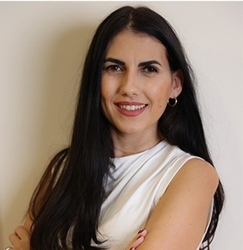
MSc Molecular Medicine and PhD Molecular Medicine Graduate
I studied at the Cyprus Institute of Neurology and Genetics (CING) from 2015 to 2021. From 2015 to 2016, I attended the Master’s Degree Program in Molecular Medicine at the Department of Molecular Genetics Thalassaemia, where my research focused on the study of gene therapy vectors in human hematopoietic cell cultures. Subsequently, from 2016 to 2021, I completed my PhD in Molecular Medicine at the Departments of Bioinformatics, and Cancer Genetics, Therapeutics & Ultrastructural Pathology. My doctoral research centered on the genetic analysis of triple-negative breast cancer in Cyprus, aiming to identify the genetic factors that influence the onset and progression of this aggressive cancer subtype.
Since 2020, I have been working as a postdoctoral researcher at the Biostatistics Unit of the Cyprus Institute of Neurology and Genetics. My work primarily focuses on the genetic epidemiology of breast cancer, particularly on developing and applying statistical approaches for the analysis of genetic data. I am an active member of the analytical working group of the ENIGMA (Evidence-based Network for the Interpretation of Germline Mutant Alleles) Consortium, which is recognized by ClinGen as an expert panel for the classification of genetic variants in genes associated with increased breast cancer risk. Furthermore, I participate in international collaborations within the Breast Cancer Association Consortium (BCAC), aiming to better understand the mechanisms underlying carcinogenesis, their functional implications, and to identify potential therapeutic target genes.
In the coming years, I plan to expand my research toward understanding and evaluating genetic variants that increase the risk of developing other types of cancer -an endeavor that could significantly improve the lives of thousands of patients and their families. Additionally, the analysis of genetic data from approximately 300,000 women with breast cancer and 300,000 healthy individuals from diverse populations worldwide, within the framework of the Confluence Project, will help us gain deeper insight into the mechanisms driving cancer development and promote the advancement of targeted prevention and treatment strategies.
During my studies at CING, I had the opportunity to work in a dynamic environment that integrates research, education, and clinical services. This experience allowed me to gain a multifaceted perspective ranging from laboratory work and large-scale genetic data analysis to direct interaction with patients. I also had the chance to attend conferences, network, and present my work, enriching both my professional connections and scientific knowledge. These experiences equipped me with valuable skills and insights, and helped me appreciate the importance of creating opportunities for growth and development—for myself and for those around me. Ultimately, this journey guided me toward a professional focus in biostatistics, while enabling me to collaborate with esteemed scientists and build strong professional and personal relationships.
In conclusion, I would like to offer three pieces of advice to students beginning their journey at CING.
Be open to new challenges, and don’t be afraid to pursue what interests you, even if it seems difficult.
Value networking—it is through collaborations and relationships that new career opportunities arise.
Finally, always remember that the future lies ahead of you—make the most of every opportunity to grow, evolve, and chase your goals.




0002.jpg)