Tumour Virology Group
Research
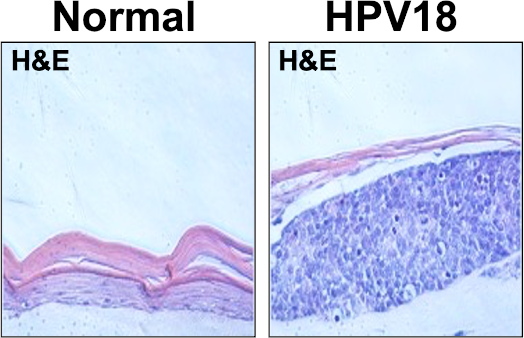
In the Tumour Virology Group, our research aims to understanding how human papillomaviruses (HPV) manipulate the host cell to drive oncogenesis, particularly in cervical cancer and head and neck squamous cell carcinoma (HNSCC). Our previous work has uncovered several signalling networks, such as the JAK/STAT and hippo pathways, that HPV co-opts to drive oncogenesis, ultimately identifying novel targets for therapeutic intervention. More recently, we have focused on protein ubiquitination and how this is deregulated in HPV-associated cancers.
Another aspect of our research is identifying novel ways to improve the current treatment options for head and neck cancers, which are primarily platinum-based chemotherapeutics and radiation treatment. HPV+ cancers response much better to these treatments, but the underlying reasons for this are unclear. We aim to identify novel therapeutic targets to radio-sensitise HPV- HNSCC, providing a clinical benefit to these patients, whilst also allowing therapy de-escalation in HPV+ HNSCC, reducing the associated toxic side effects observed.
Ongoing projects
- The role of deubiquitinating enzymes in regulating HPV oncoprotein stability
- Characterising the function of ubiquitin-related regulators of NFκB signalling in HNSCC
- Uncovering the mechanistic basis of HPV E6-mediated MAPK signalling in cervical cancer
- Inhibition of deubiquitinases to overcome therapeutic resistance in HNSCC
- Dissecting the nuclear functions of LASP1 in driving oncogenesis
- Identifying novel radiation-responsive interactions of HPV E6 and E7
Our research involves a wide range of techniques, utilising cell culture models, in vivo systems and clinical samples to uncover novel mechanisms of HPV-mediated oncogenesis.





0002.jpg)